
Who is the WHO?
In this edition of TPO Explains, we break down the World Health Organization, explaining what the UN's global health agency does, how it differs from the CDC, and why the U.S. withdrew earlier this year.
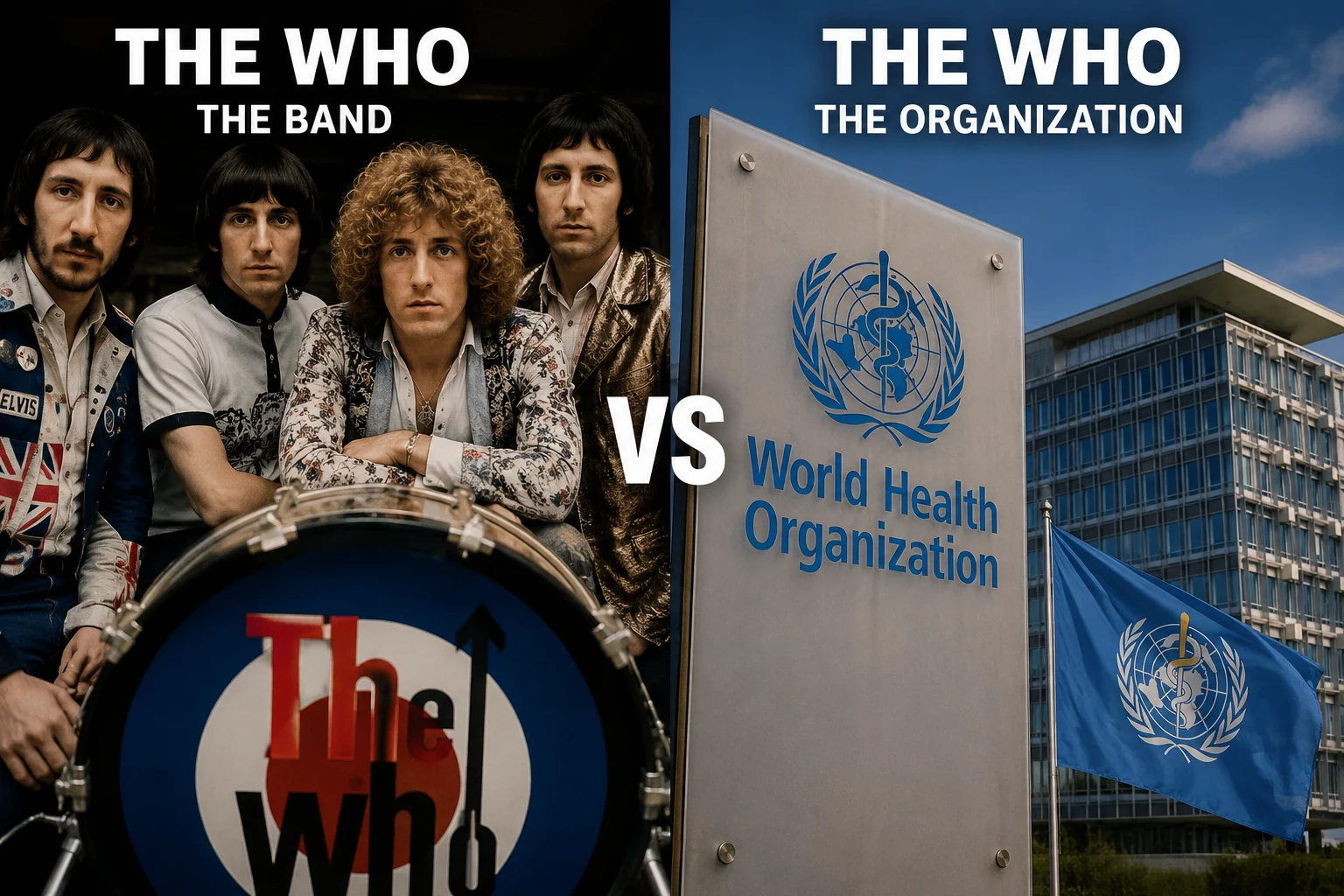
Who is the WHO?
What is the WHO?
A classic English rock band…
And also the World Health Organization. Founded in 1948, the WHO is a United Nations agency that exists to promote “the highest possible level of health” for all people.
It’s an intentionally broad mandate. They’re not just around to cure disease—they also work to help people live mentally, physically, and socially healthy lives, and to encourage international cooperation in doing so.
How do they do that exactly?
Lots of ways.
They operate in 150+ locations worldwide, working on everything from Ebola outbreaks to HIV treatments, diabetes management, and cancer research.
In practice, that means getting vaccines and medicine to people who lack access, funding scientific research, responding to emergencies, and setting the international standards that keep the global health system running. They're also one of the institutions behind the sanitary guidelines that govern food safety across borders.
COVID? The WHO was the one to officially declare it a pandemic.
Wait, I thought that was the CDC?
Good guess.
The Centers for Disease Control is a U.S. federal agency. They have historically worked closely with the WHO (think: sharing data and coordinating research), but they only have authority in the U.S.
On the other hand, the WHO coordinates globally with its member nations but can’t actually tell those nations what to do. They prescribe recommendations, but governments call their own shots.
Who runs the WHO?
The WHO is governed by the World Health Assembly, which meets once a year (actually, its 2026 meeting ends today) in Geneva to diagnose priorities and policies. It’s made up of 194 member nations.
That means almost every nation is a member of the WHO… with a couple of important caveats: The U.S. and Argentina both withdrew earlier this year, ending communication with the WHO. Supporters of the U.S. withdrawal argue the WHO mishandled COVID-19 and that the U.S. pays too much for too little influence, while critics warn it will disrupt global and domestic health.
Here’s a verse to consider whether health news leaves you optimistic or unsure… ”Even though our outer person is being destroyed, our inner person is being renewed day by day. For our momentary light affliction is producing for us an absolutely incomparable eternal weight of glory. So we do not focus on what is seen, but on what is unseen. For what is seen is temporary, but what is unseen is eternal.”
2 Corinthians 4: 16-18 (read full passage)