Answering your most-asked questions with a crossword on the side and extra whipped cream on top
April 4, 2026
When we say “war,” what does that mean?
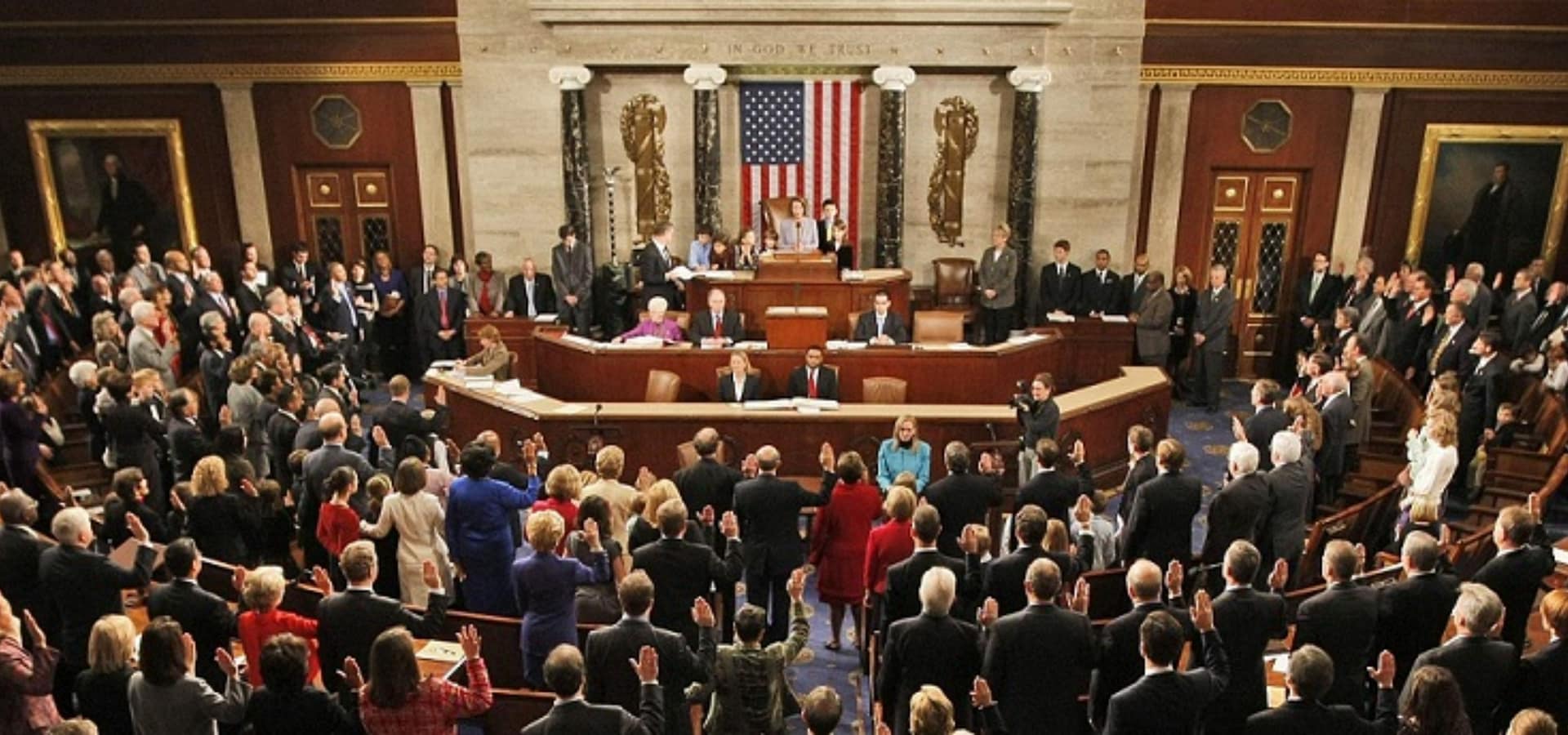
Per the Constitution, war is an armed conflict that has been formally declared by Congress (not the president).
Wait, so war isn’t just… war?
Weapons + conflict + troops ≠ war (legally speaking).
Formal declarations are an involved process that usually looks like this:
-
The president asks Congress for a declaration of war;
-
The Senate and House each meet to draft and vote on legislation, authorizing it;
-
Then the president gives his John Hancock, and just like that… the U.S. is now in a “state of war.”
The U.S. has officially declared war 11 times in the nation’s history, but not once since World War II.
But what about Vietnam? Iraq? Korea?
Nope, not wars. Almost every major conflict you can think of from the past 75+ years was something else.
The government has a handful of loopholes to initiate military operations without declaring war. The most common is an Authorization for Use of Military Force (AUMF)—a congressional statute allowing limited force for a defined purpose instead of declaring wholesale war… in theory. The AUMF that followed 9/11 changed things, using unusually open-ended language that presidents have stretched to justify military action in 22 countries over the last 25 years.
Other loopholes include the War Powers Resolution (which allows the president to deploy troops for up to 60 days of military action before needing a Congressional thumbs up) and international peacekeeping.
So, why even declare war?
Good question. It’s more than just legal hairsplitting.
A formal declaration of war triggers consequences internationally and domestically: presidential powers expand, Geneva Convention rules apply, commercial treaties are suspended, and it shapes how veterans are treated.
Critics argue that modern conflicts require speed and flexibility that formal declarations simply can’t offer, and AUMFs have all the benefits without the fallout.
__
ETERNAL PERSPECTIVE
War exposes our world’s deep brokenness and urgent need for renewal. This weekend, we celebrate that God has already beaten the brokenness that drives us to war, triumphing over evil in the death and resurrection of Jesus. His victory frees believers from sin now and will one day usher in a kingdom of eternal peace.
“When you were dead in trespasses and in the uncircumcision of your flesh, he made you alive with him and forgave us all our trespasses. He erased the certificate of debt, with its obligations, that was against us and opposed to us, and has taken it away by nailing it to the cross. He disarmed the rulers and authorities and disgraced them publicly; he triumphed over them in him.”
Colossians 2:13-15 (CSB) (read full passage)