
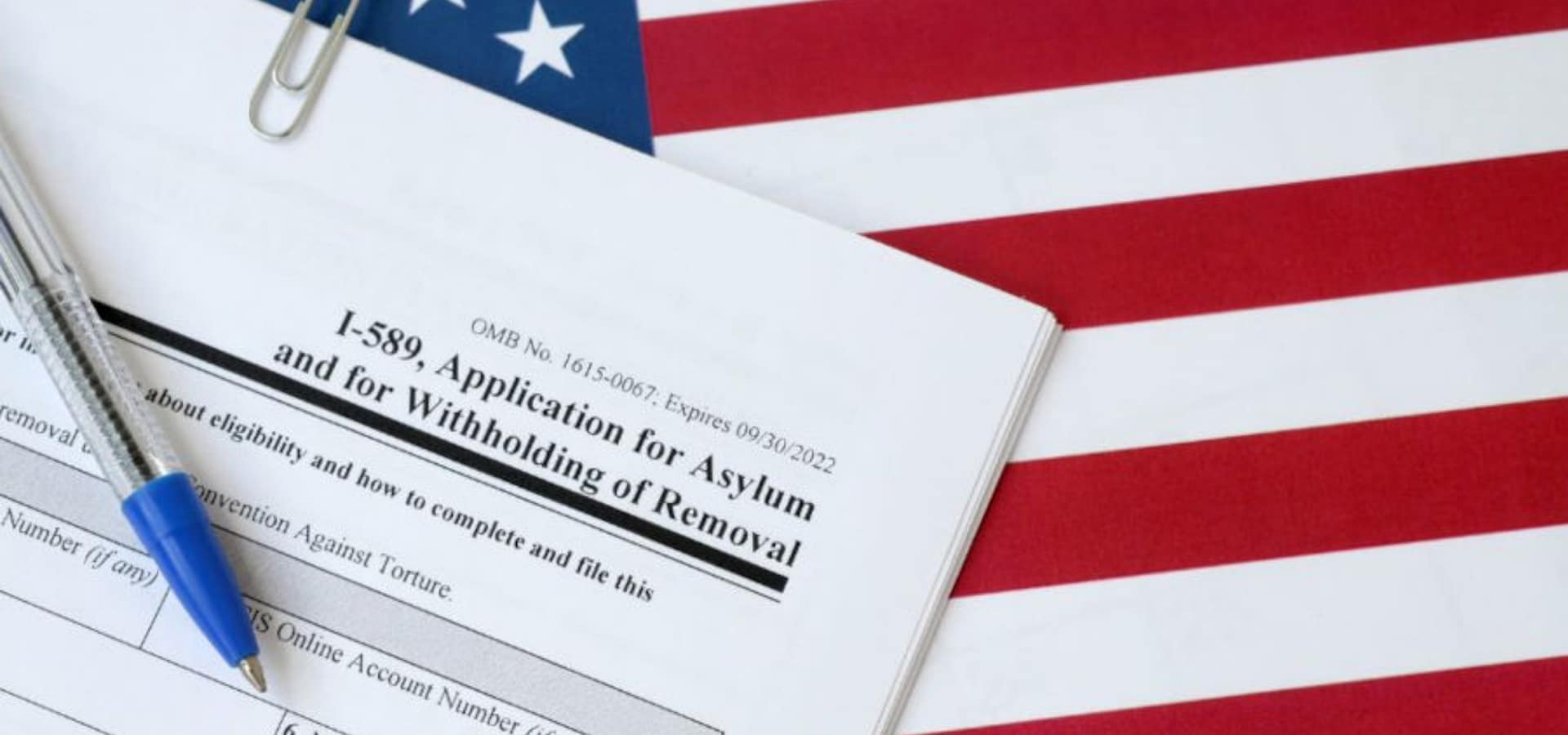
In this edition of TPO Explains, we break down asylum seekers, explaining how the U.S. asylum process works, who qualifies for protection, and what happens while applications are reviewed.
December 13, 2025
Who are Asylum Seekers?
Pop quiz: Which U.S. landmark says, “Give me your huddled masses yearning to be free?”
Last year, over 200,000 people received protection as U.S. refugees or asylum seekers (becoming asylees), fleeing persecution in their home country due to their race, religion, nationality, membership in a particular social group, and/or political opinion.
Are refugees and asylum seekers different?
In the U.S. immigration process, it all comes down to where you are when you apply for sanctuary. Immigrants who are already in the U.S. (or at its border) can request to stay by seeking asylum. Refugees are outside the U.S. requesting relocation.
The president sets yearly admission ceilings for refugees. There is no cap for asylees, and last year, the Executive Office for Immigration Review (EOIR) received nearly 1.8 million new cases.
So, how do you get asylum?
Two main ways:
-
The affirmative process (proactively applying within one year of arriving in the U.S.)
-
The defensive process (defense at the border or in immigration court against removal from the U.S.)
The asylum process can take 4-7 years due to immigration court backlogs.
What happens while you wait?
While waiting, applicants can stay in the U.S. and are eligible to work after ~6 months. They aren’t eligible for most federal benefits and are generally advised not to travel internationally.
What happens if asylum is granted?
Over the last 20 years, 40-50% of applications have been approved (see chart). Once asylum is granted, asylees are eligible for a green card after one year and for citizenship after five.
What happens if asylum’s not approved?
Not everyone is eligible. A request may be denied for a number of reasons (read the list), including if the applicant has been convicted of a serious crime, has already resettled in another country, or was fleeing general crime or poverty (not persecution).
Denied cases can be appealed; however, many denials result in final removal orders for the applicant.
Pop Quiz answer: The Statue of Liberty. As you can imagine, this topic has a LOT of details we had to leave out of this article. Watch or listen to today’s episode of the TPO Explains podcast to hear us dig a little deeper!
__
ABOVE ALL LOVE
While you probably play a small role in affecting U.S. immigration policy, you play a significant role in Christ’s mission to demonstrate his love to the world. Seek justice and remember compassion, knowing what it’s like to live as a sojourner in a land that’s not your home.
“Dear friends, I urge you as strangers and exiles to abstain from sinful desires that wage war against the soul. Conduct yourselves honorably among the Gentiles, so that when they slander you as evildoers, they will observe your good works and will glorify God on the day he visits.”
1 Peter 2:11-12 (CSB) (read full passage)
Prefer to respond on your knees? Check out our new Sunday newsletter, Praying the News.