In this edition of TPO Explains, we break down crude oil, explaining what it is, how it forms underground from ancient organic material, and how it’s extracted and refined into everyday products.
March 21, 2026
What actually is crude oil?
It’s raw, unrefined petroleum pumped out of the ground—a thick mixture of ancient organic material (think: prehistoric plants and sea creatures) buried under layers of rocks and transformed over years by heat and pressure into liquid hydrocarbons (if you caught up on sleep during high school chem… chemicals made up of hydrogen and carbon).
In other words: ancient life, compressed into fuel.
Where does it come from?
Crude oil sits in underground reservoirs. Getting it out requires drilling (and sometimes fracking—which is basically pressure-washing underground rock until it releases trapped oil and gas).
Venezuela has the most oil reserves (oil still in the ground: see top 10 chart) while the U.S. is the world’s largest producer of oil (getting oil out of the ground: see top 10 chart).
What happens after it’s drilled?
Raw crude can’t go straight into your gas tank. It heads to a refinery, where they cook it, catch what boils off, and call it gasoline (well, part of it. There are other usable products, too!). The process is called fractional distillation (watch here).
What kinds of products come from crude oil?
More than you’d think.
The obvious ones: gasoline, diesel, and jet fuel. The less obvious: tires, asphalt, refrigerators, life jackets, anesthetics. It’s in your yoga pants, your kid’s plastic dinosaur, your medicine cabinet (aspirin), your couch… all of it. Really, crude oil has been with you your whole life, kinda like family (awww).
So why does the price at the pump fluctuate?
Crude oil is traded globally, and its price is driven by supply and demand… and geopolitics.
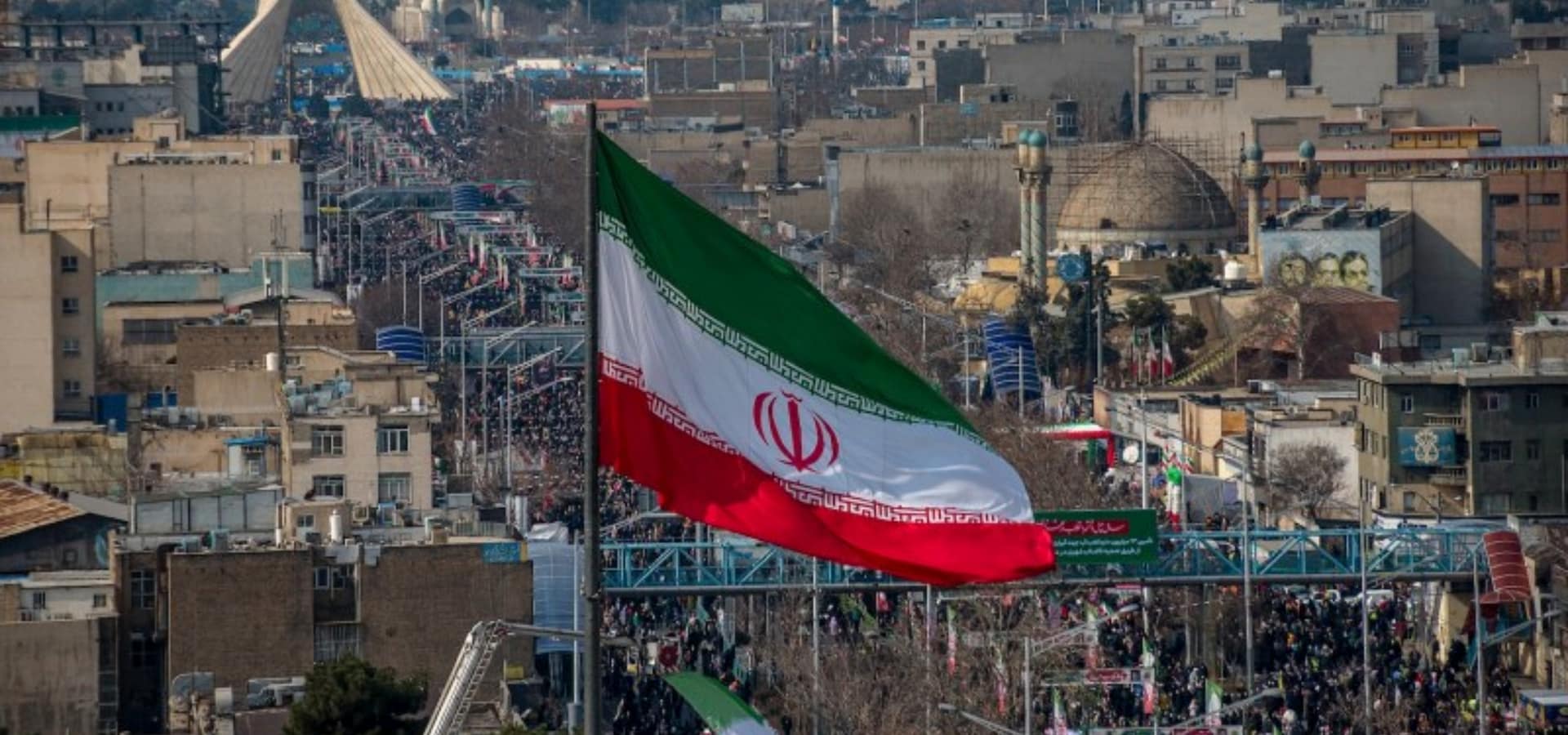
When tensions flare in the Middle East—like the Iran conflict shutting down the Strait of Hormuz, an oil shipping chokepoint—markets react quickly. Even if you drive electric, the products you buy are shipped on boats, planes, and trucks that require crude oil, meaning global events can show up in anyone’s budget fast.
__
CHRISTIAN PERSPECTIVE
Oil fuels economies, sparks wars, and influences policy around the world. But Scripture reminds us that the Earth and every resource on (and in) it belongs to God. Whether prices rise or fall, our provision doesn’t come from a barrel—it comes from the Giver of all good things.
“And my God will supply all your needs according to his riches in glory in Christ Jesus.”
Philippians 4:19 (CSB) (read full passage)
Prefer to learn with your ears? Check out our podcast. Prefer to respond on your knees? Check out our new Sunday newsletter, Praying the News.