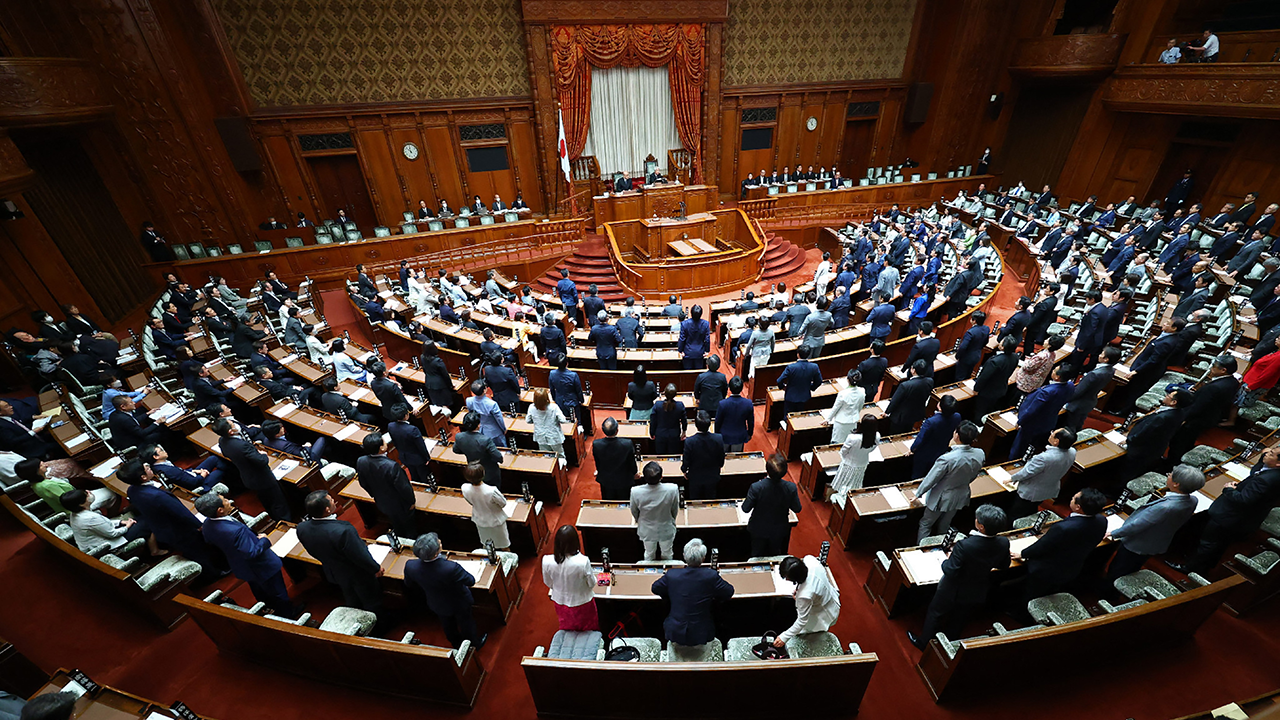
Snap elections are elections called earlier than expected or scheduled (think: a pop quiz but for politics) to dissolve an existing legislature and elect a new one.
Who can call a snap election depends on the country and its political system, but it’s usually the prime minister, head of government, or parliament.
Why would a country call a snap election?
There are a few common reasons:
- Parliaments are gridlocked: when no party has a clear majority and laws fail, a snap election could reset the balance.
- To capitalize on favorable conditions: when a government says, “Hey, we’re pretty popular right now. Let’s lock that in,” and tries to expand its party majority.
- Unprecedented conditions: a government might call a snap election in the event of a crisis to affirm political legitimacy or secure backing for a bold, unified mandate.
Could the U.S. hold a federal snap election?
Short answer: no.
The U.S. is not a parliamentary system (which is most common for snap elections), so changing Election Day would require a constitutional amendment. In other words, it wouldn’t be a true snap election, which is quick, sudden, and typically a wholesale reset of the legislature.
Snap elections in recent news coverage:
- In February 11, 2026’s newsletter, we discussed Japan’s recent snap elections, which secured a two-thirds majority for the Liberal Democratic Party.